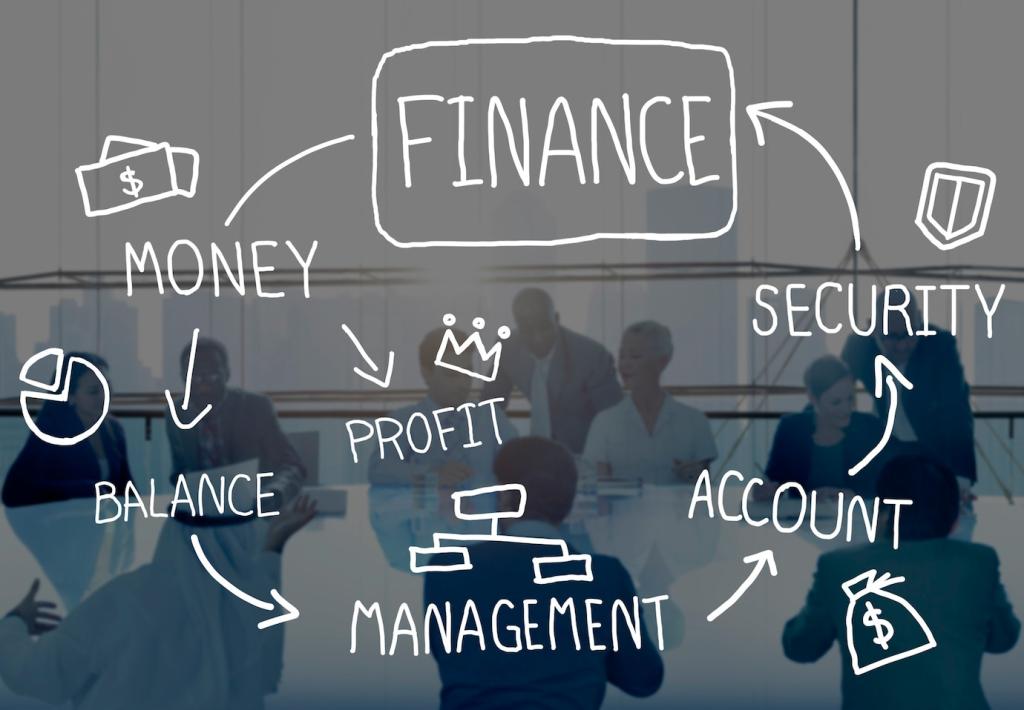




Effective Budgeting Strategies for Small Enterprises

Chosen theme: Effective Budgeting Strategies for Small Enterprises. Welcome to a practical, human-centered space where numbers become clear decisions and calm confidence. Share your biggest budgeting hurdle in the comments and subscribe for templates, checklists, and real founder stories.

Build a Budgeting Foundation That Fits Your Small Enterprise

Set measurable quarterly revenue, margin, and cash targets that match your market reality. Translate them into monthly goals for sales, costs, and headcount. Clear objectives make every budgeting choice easier and reduce debates during review meetings.

Build a Budgeting Foundation That Fits Your Small Enterprise

Compare incremental budgeting for stability, zero-based budgeting for focus, and rolling forecasts for agility. Small enterprises often blend approaches: zero-base discretionary spend, increment core operations, and roll the next twelve months monthly.

This is the heading

Lorem ipsum dolor sit amet, consectetur adipiscing elit. Ut elit tellus, luctus nec ullamcorper mattis, pulvinar dapibus leo.


This is the heading

Lorem ipsum dolor sit amet, consectetur adipiscing elit. Ut elit tellus, luctus nec ullamcorper mattis, pulvinar dapibus leo.

Cost Discipline: Fixed vs. Variable and the Art of Trimming

List every fixed expense and ask what value it creates today. Cancel dormant tools, renegotiate insurance, and right-size office space. Every recurring dollar saved multiplies impact across the year without hurting customer value.

Cost Discipline: Fixed vs. Variable and the Art of Trimming

Whenever possible, convert costs from fixed to variable: outsource non-core tasks, adopt usage-based software, and use contract staff for peaks. This flexibility protects margins when sales dip and scales smoothly when demand accelerates.

Zero-Based Budgeting for Small Teams

Begin each cycle assuming no spend is guaranteed. Fund only activities that directly create or protect revenue, quality, or compliance. This resets habits, exposes bloat, and makes trade-offs visible to everyone, including yourself.
Predefine spending rules: approve expenses that earn back within three months, reject tools with overlapping features, and cap discretionary travel. Clear thresholds remove emotion, speed decisions, and keep the budget aligned with strategic priorities.
Run a one-day budget sprint with your small team: map goals, list initiatives, assign costs and owners, then challenge every line item publicly. Capture decisions, deadlines, and assumptions. Celebrate the focus, and share outcomes with your subscribers.

Data, Tools, and Dashboards on a Shoestring

Design one master spreadsheet with separate tabs for assumptions, drivers, and outputs. Use named ranges, data validation, and consistent units. Clean structure prevents formula chaos and makes handoffs easy when your team inevitably grows.

Data, Tools, and Dashboards on a Shoestring

Automate data collection with bank feeds, invoice integrations, and scheduled exports from your point-of-sale or CRM. Even small automations save hours monthly, increase accuracy, and free leaders to discuss insights instead of reconciling numbers.

Scenario Planning and What-If Budgeting

Create Base, Downside, and Upside Cases

Model realistic base, downside, and upside cases with different sales, pricing, and cost trajectories. Tie each scenario to a budget version. Seeing outcomes side by side builds confidence and prepares everyone for decisive, calm action.
Brandwavesmm
Privacy Overview

This website uses cookies so that we can provide you with the best user experience possible. Cookie information is stored in your browser and performs functions such as recognising you when you return to our website and helping our team to understand which sections of the website you find most interesting and useful.